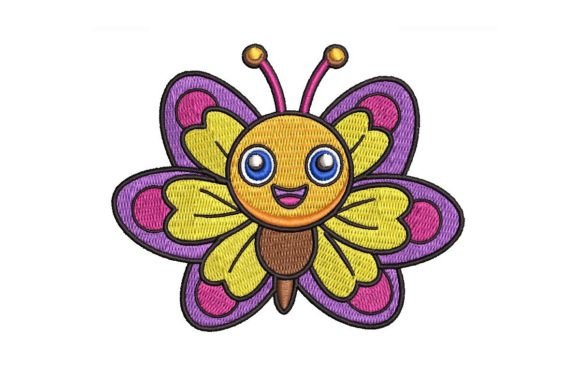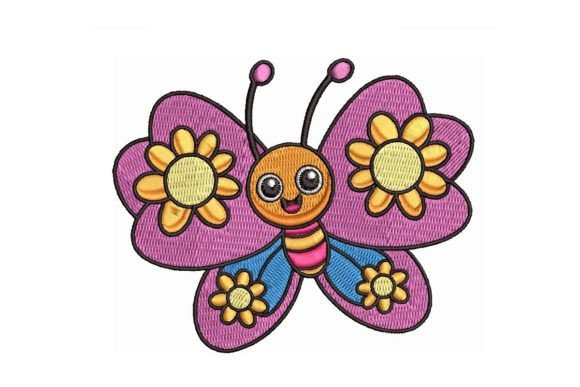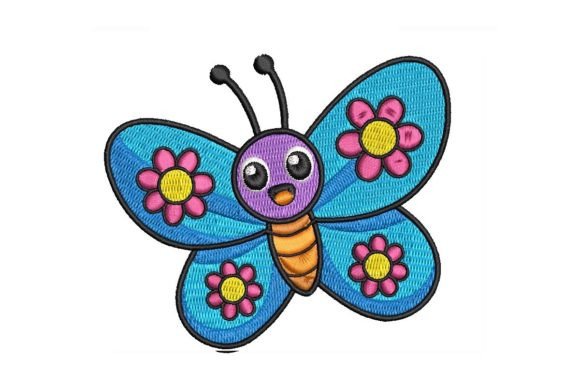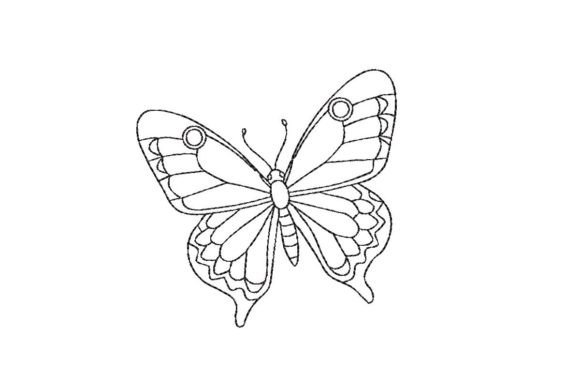
Butterfly Frame Embroidery Design
A Designer’s First Look: Delicate, Balanced, and Ready for Real Fabric
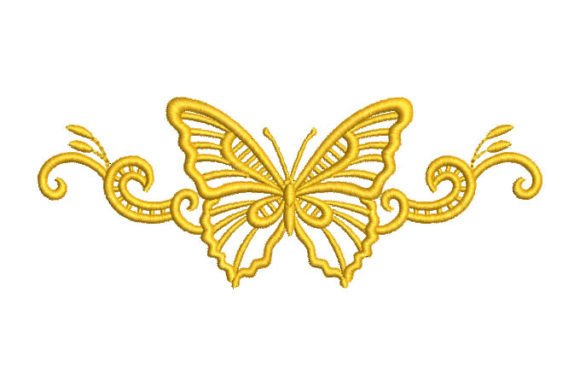
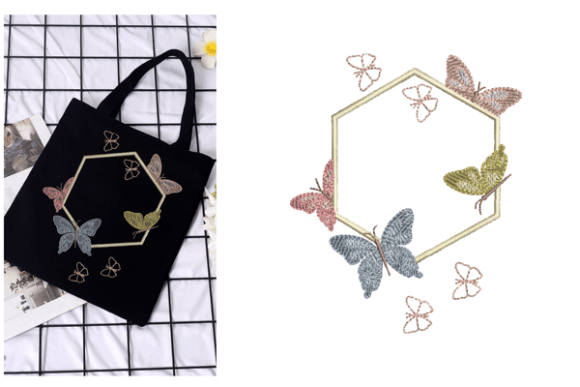
When I opened the Butterfly Frame Embroidery Design file, what struck me first wasn’t just the charm—it was the intentionality. This isn’t a busy bug motif crammed into a corner; it’s a frame-shaped composition with breathing room, gentle curves, and a quiet sense of symmetry. The butterflies aren’t scattered—they’re anchored within an implied border, making it feel both decorative and purposeful. It reads as light but not fragile, playful but not childish. That balance matters deeply when you’re stitching for real people who’ll hold, wear, or gift the finished product.
How It Landed on My Latest Client Project: A Linen Tote Bag for a Local Botanical Shop
I recently used the Butterfly Frame Embroidery Design on a natural linen tote—medium-weight, slightly textured, no stretch. Positioned front-and-center, about 4.5 inches wide, it stitched cleanly in under 12 minutes. No thread breaks. No puckering. What surprised me most was how well the satin-stitched wings held definition against the fabric’s subtle slub. Customers noticed it immediately—not as “cute embroidery,” but as a considered detail that elevated the whole bag. That’s the quiet power of this design: it supports your product’s story instead of shouting over it.
Where It Shines (and Where It Asks for Thoughtful Handling)
This machine embroidery design works beautifully on:
- Pillow covers and tea towels—the frame shape aligns naturally with square/rectangular surfaces, and the open center leaves room for fabric texture to show through
- Sweatshirts and structured totes—its moderate stitch density holds up without stiffness, especially with medium-cut stabilizer
- Baby items and nursery decor—soft curves and organic flow suit delicate contexts without veering into cliché
- Custom apparel for small shops—it reads clearly at 3–5 inches, scales down better than many bug-themed designs, and feels cohesive across seasonal collections
That said, proceed with care on:
- Thin or highly stretchy fabrics—like lightweight knits or rayon challis—where stabilizer choice becomes non-negotiable
- Curved surfaces like caps or beanies—the frame’s outer edge may distort slightly unless hooped with precision and minimal tension
- Dark fabrics with light thread—test fill stitch coverage first; some versions of this design use lighter-density fills that can look translucent on navy or charcoal
- Products meant for frequent washing—review stitch density and satin stitch length; denser wing areas hold up better over time
What It Does for Your Craft Business—Beyond Just Stitching
As an Etsy seller and small shop owner myself, I pay attention to how a digital embroidery file affects buyer trust and perceived value. The Butterfly Frame Embroidery Design lands as professional—not generic, not overly complex, not dated. When customers see it on a personalized gift or boutique item, they read craftsmanship, not clip art. That translates directly to willingness to pay a premium, repeat orders, and word-of-mouth referrals.
It also supports brand consistency. Whether you’re using it on a holiday kitchen towel set or a summer baby onesie line, the frame structure gives visual continuity. And because it’s rooted in the Bugs category without leaning into cartoonishness, it avoids limiting your audience—young adults, parents, gardeners, educators, even wedding clients looking for subtle nature motifs.
Practical Designer Notes You’ll Actually Use
Before stitching your first finished product, do these five things:
- Test on scrap fabric that matches your final project’s weight and texture—linen behaves differently than cotton poplin, which behaves differently than terry cloth
- Check thread color contrast in natural light—not just on screen. Butterflies fade fast if thread blends too much with the base fabric
- Review stitch density in your embroidery software. If wing areas look sparse, consider adding a light underlay or adjusting pull compensation
- Confirm hoop size compatibility. This design fits comfortably in a 5x7 hoop, but double-check before digitizing for smaller hoops (4x4) where corners may get clipped
- Run a black-and-white mockup alongside a full-color one. Some buyers browse in grayscale thumbnails—does the shape still read clearly?
Final Thought: A Design That Serves the Project, Not the Other Way Around
The Butterfly Frame Embroidery Design doesn’t demand attention—it earns it. It’s the kind of embroidery file I reach for when I want the handmade product to feel intentional, the personalized gift to feel quietly special, and the small shop merchandise to stand out on a crowded shelf or scroll. It’s not flashy. It’s not fussy. But it’s reliable, adaptable, and thoughtfully composed—exactly what experienced designers and craft business owners need in their library of embroidery project assets.
If you’re evaluating it for commercial embroidery, client work, or your next Etsy listing, remember: its strength lies in restraint. Let the fabric breathe. Choose thread colors with care. Stabilize honestly. Then let the butterflies do what they do best—frame something meaningful.